

Inaugural COFOSS Conference brings together appliance industry leaders
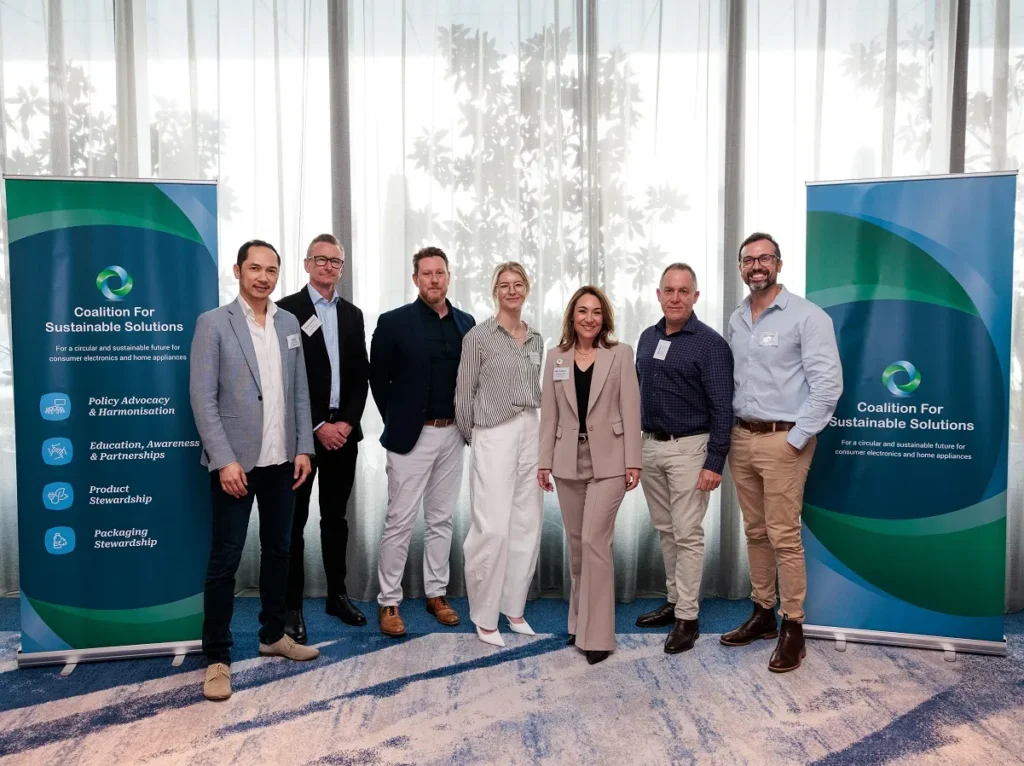
The Coalition for Sustainable Solutions (COFOSS) brought together more than 60 senior executives from the appliance industry for its inaugural Conference in Sydney with representation from a number of major brands and retailers.
Attendees included CEOs, managing directors, marketing and sales directors, from ASKO, Beko, Bing Lee, Bi-Rite, Bissell, BSH, BSR Group, David Jones, De’Longhi, Franke, Glen Dimplex, Groupe SEB, Harvey Norman, Hisense, JB Hi-Fi Group, Jura, LG, Narta, Panasonic, Samsung, Smeg, Spartan, Winning Group and Worldwide Appliances.
Under the theme, Building Momentum for Sustainable Solutions, the Conference was opened by COFOSS board director and Winning Group head of sustainability and industry impact, Alice Kuepper.
“Today marks our inaugural COFOSS Conference and I think what makes today particularly significant is not just the conversations we’ll have, but the fact that this room exists at all,” she said.
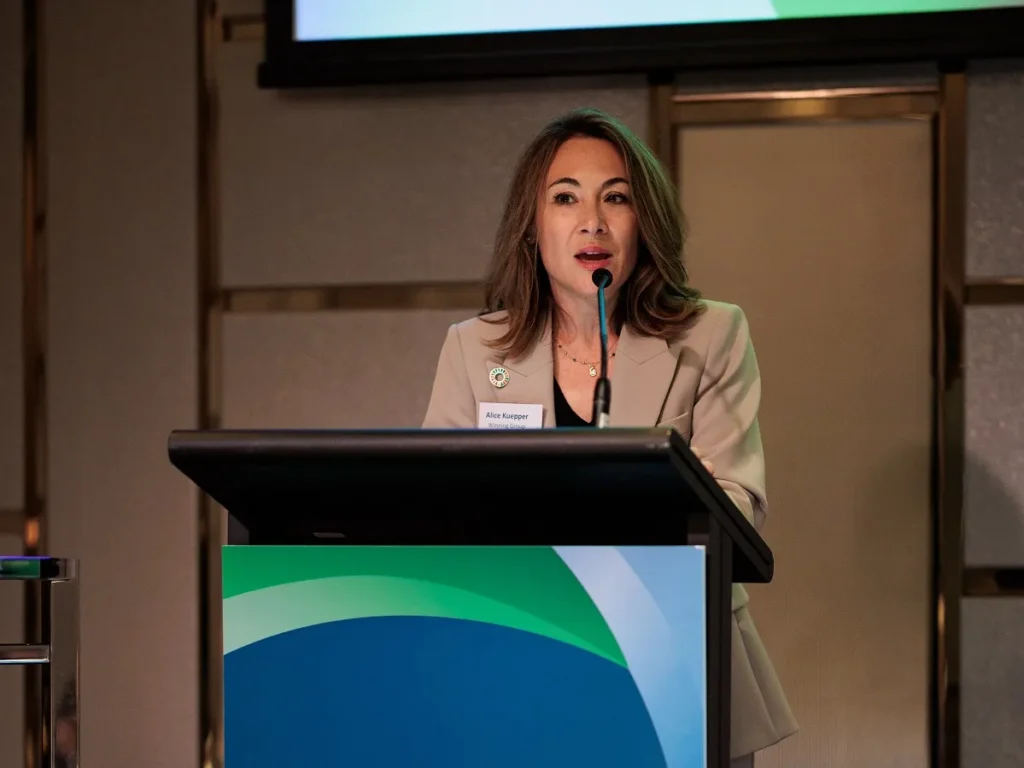
“For the first time, we have retailers, manufacturers, policymakers, sustainability leaders, and industry experts gathered specifically to focus on sustainability in the consumer electronics and home appliance sector. Many of the organisations represented here today are already leading significant sustainability transformations within their businesses and today is an opportunity to learn from one another and accelerate that momentum collectively.”
The event positioned itself not just as a response to accelerating change in climate reporting, packaging reform, and product stewardship, but as an opportunity for the industry to move from reacting individually to collaborating collectively and shaping what comes next.
“The guiding principle for the day was that shared challenges require shared solutions to build systems that are practical, scalable, and commercially viable,” Kuepper emphasised.
Proactive regulation and decarbonisation
The first keynote speaker was Hakan Bulgurlu, former CEO of Beko, who delivered a video presentation drawing on his extensive experience leading Europe’s largest home appliance company and involvement with organisations such as APPLiA in Europe and as a member of the World Economic Forum CEO Climate Alliance.
Bulgurlu emphasised the critical role of proactive regulation in driving sustainability within the appliance industry, saying leaders must move beyond passive compliance and instead actively shape regulatory frameworks.
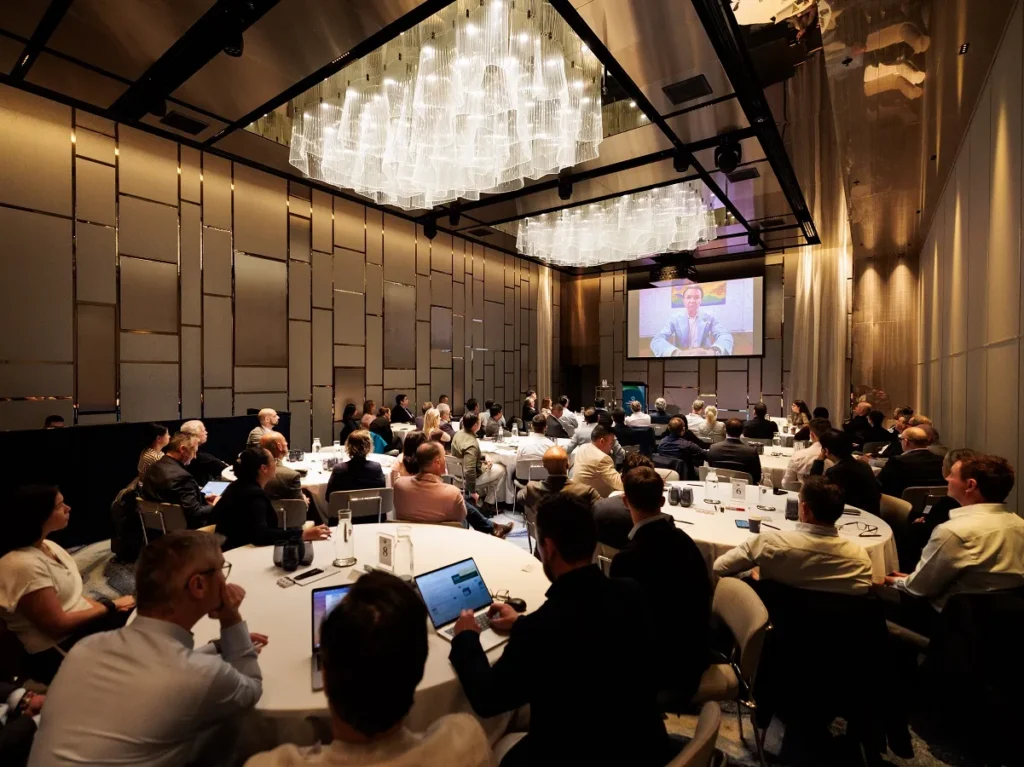
“Regulation is probably the most powerful tool we have in shaping the industry in a climate friendly way. What do I mean by that? In my experience, especially in this industry, companies and CEOs have always been resistant to regulation. Why? Because it might add cost and complexity,” he said.
“However, if you turn it around that regulation forces the whole industry to change, it ensures a level playing field. And because our industry is energy and material dense, the difference we make is huge compared to small private manufacturers, so it’s important to be pro-regulation.”
Bulgurlu stressed the importance of decarbonisation, noting that early action will position companies ahead of impending carbon taxes and shifting consumer preferences. He also underscored the need for consumer education, as informed customers are increasingly willing to pay a premium for sustainable brands.
“We should all be scared of what is going to happen in terms of intensity of climates caused by global warming and the economic impact on consumers. We’re moving from wildfire to drought, experiencing water issues, power outages, coastal erosion and sea levels are rising. We’ve also seen food systems and trade systems disrupted. Governments will act, and when they act, it’s going to be quite severe, so as an industry, we need to start shaping that.
“You must also understand that the more sustainable the business, the better response from the customer. We are seeing today the end customer pay more for more sustainable brands. If you don’t take action now, the brands that do will be able to adapt at a much faster pace.
“If you decarbonise today, you will not have a problem with the mandatory carbon tax, which will be here in the next five to seven years. If you don’t, the cost of the tax will not be able to be passed onto the consumer.”
Bulgurlu concluded by urging the industry to collaborate, shape policy, and act with urgency, especially given Australia’s vulnerability to climate change impacts.
From waste to circular opportunity and customer value
The next keynote speaker was Leyla Acaroglu, designer and sustainability provocateur, UNEP Champion of the Earth, and founder of Circular Futures and the UnSchool of Disruptive Design.
She highlighted the misconception that sustainability is merely about recycling, explaining that true circularity involves designing products for repairability, reusability, and resource efficiency. Acaroglu provided a detailed overview of the resource challenges facing Australia and the world, including overconsumption, waste generation, and resource scarcity, highlighting the economic potential of waste when treated as a resource.
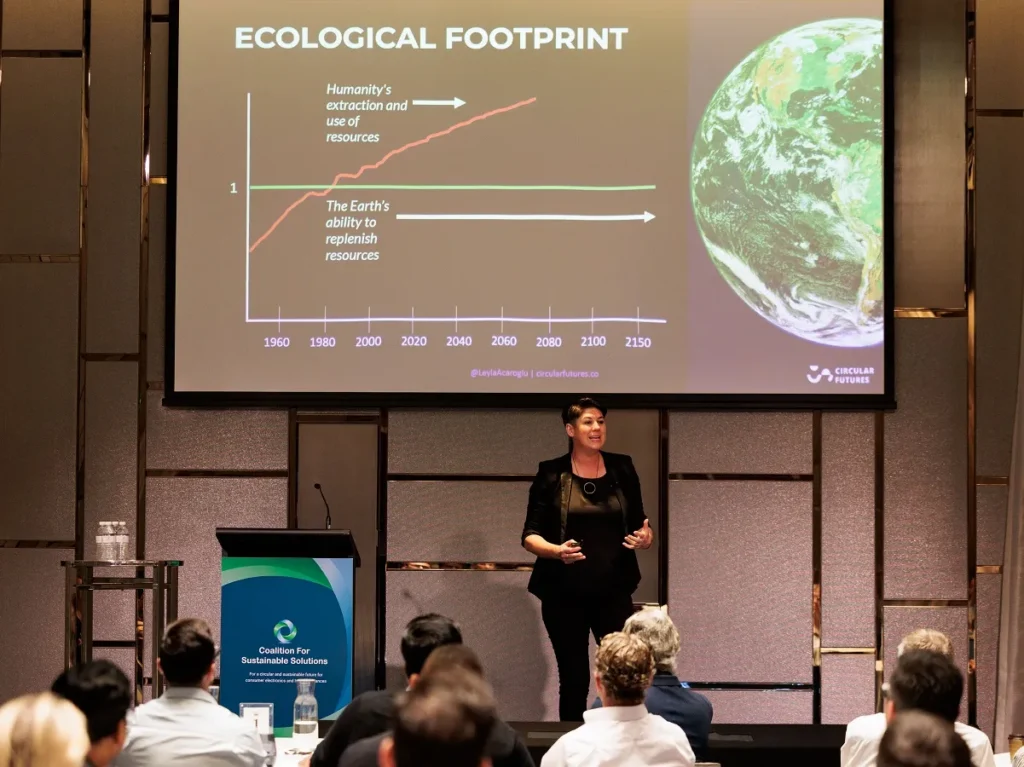
“There is an incredible opportunity to get things done. The linear economy created in the 1950s is redundant. It doesn’t work for us as it incentivises waste and waste resources. We create two billion tonnes of waste every year which is a huge loss of resources and economic opportunity because waste is actually a valuable resource when treated effectively,” she said.
“The circular business environment is about seeing the value in the whole supply chain, designing products and services to meet the needs of future generations by ensuring that those products are maximising the value that we have within them. For companies, it’s about thinking differently about how you’re delivering functionality and value to customers.”
An example was the implementation of repair and reuse systems such as incentivised takeback services, reseller marketplaces, providing repair kits and encouraging reselling of functional products.
Acaroglu then outlined regulatory developments in the European Union, such as the Ecodesign for Sustainable Products Regulation (ESPR) and EU Digital Product Passport (DPP), which requires comprehensive supply chain transparency and product lifecycle data.
She then went on to provide a summary of the new ISO circular economy standards, which provide a unified framework covering terminology and implementation guidance (ISO 59004), business strategy (ISO 59010), and measurement indicators (ISO 59020).
Policy action: What comes next?
Acaroglu’s presentation was followed by a session led by Phoebe Ashe from the NSW Environment Protection Authority (EPA), who shared a policy briefing on the NSW Plastics 2.0 Plan and the NSW Product Lifecycle Responsibility Act.
The NSW Plastics Plan 2.0 aims to reduce plastic litter, protect human health from microplastics and harmful chemicals, and harmonise regulations across jurisdictions where possible. The plan includes the phase-out of problematic plastics, design standards for recyclability, and proposals for reusable packaging and expanded container deposit schemes. Upcoming regulations target expanded polystyrene (EPS) packaging and requirements for washing machines to include microfibre filters.
The Product Lifecycle Responsibility Act empowers the EPA to regulate products across their entire lifecycle. The Act is designed to be agile and scalable, allowing for urgent intervention where needed and serving as a template for national harmonisation.

“I spend a lot of time listening to stakeholders, to understand their perspective and any insights that can be brought into our proposals, and ensure that we have evidence to act. Traditionally, to enable a circular economy, we’ve intervened in the production, distribution, consumption and collection phases mostly, and in waste management as government. But we’re keen to move further up the supply chain into design, to give the industry visibility and certainty on where to invest and to know what’s coming in the future,” Ashe said.
Ashe then engaged in a fireside chat with Product Stewardship Centre of Excellence director, John Gertsakis, offering deeper insight into what these reforms mean for the consumer electronics and home appliance sector, including implications for product stewardship, barriers to national alignment, and opportunities for proactive industry engagement.
“My advice is to have as many conversations with us as possible. With my preference, starting to get to know each other when we haven’t met at forums like this. My preference is engaging before we do a consultation paper and include your views.”
The power of a unified voice
The conference concluded with an address from COFOSS chair and Electrolux ANZ managing director, Kurt Hegvold, who stressed that collaboration and a unified industry voice are critical to shaping effective, practical regulation and avoiding costly, disruptive outcomes.
“Real change at scale will come from a unified industry voice not fragmented effort.
By acting as a coalition, we move from reacting to regulation individually to shaping it collectively, with far greater credibility and impact,” he said.
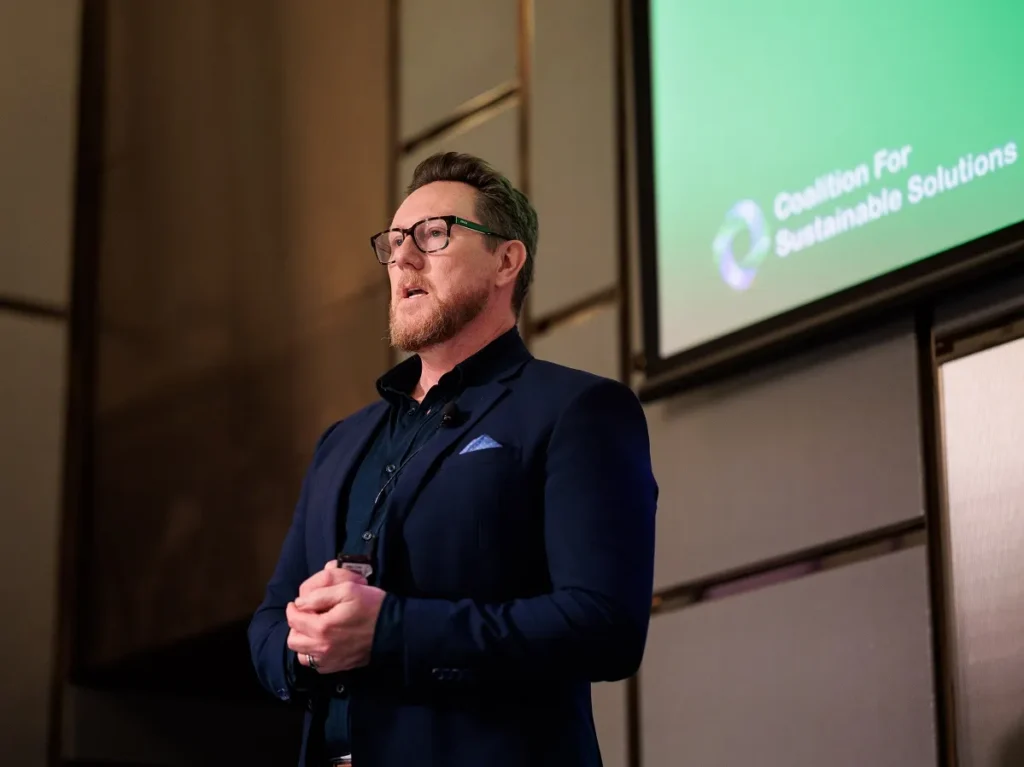
“Regulation is no longer a future risk — it is arriving now, simultaneously across the value chain. With multiple obligations landing at once, the cost of delayed action is not theoretical it is already building.
“The window to shape regulation is closing. Early engagement creates influence, late engagement drives cost, and no engagement leaves industry exposed to outcomes it did not help design. The question is no longer whether change is coming. It is whether industry shapes it together or is shaped by it separately.”
COFOSS is actively working to unite industry stakeholders, foster partnerships with government and other relevant organisations, and provide data-driven input to policies.
The call to action was clear – broader industry participation is essential to ensure that upcoming regulations are workable, sustainable, and beneficial for both business and the environment.